
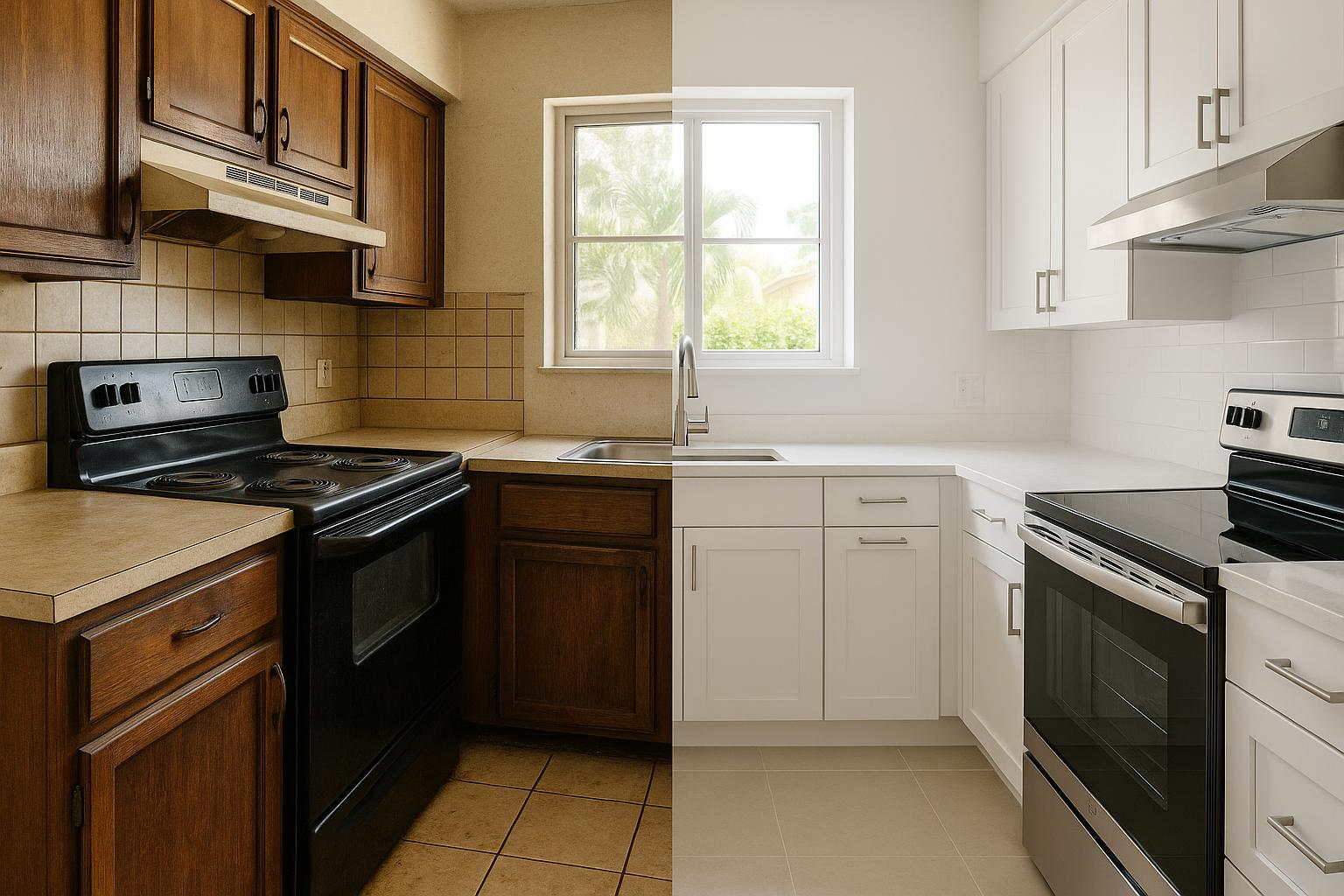
When Repairs Stop Making Sense
Every homeowner faces this crossroads eventually. The kitchen faucet leaks again, the bathroom tile keeps cracking, or the cabinets just won't close the way they used to. You call someone to patch it up, and six months later you're dealing with the same issue — or a new one in the same room.
At some point, the cost of constant repairs starts to outweigh the investment of doing things right. But how do you know when you've actually crossed that line? For homeowners in Delray Beach, where humidity, salt air, and aging housing stock create their own set of challenges, recognizing the tipping point early can save you thousands of dollars and a lot of frustration.
You're Repairing the Same Things Over and Over
This is the most obvious sign, and it's the one most people ignore the longest. If you've replaced the same section of flooring twice, re-caulked the same shower three times, or patched drywall in the same spot year after year, you're not solving a problem — you're managing a symptom.
Recurring issues usually point to something deeper. A leaking shower might mean the waterproofing membrane behind the tile has failed. Cabinets that keep warping could signal persistent moisture problems. A floor that keeps buckling might have a subfloor issue that no amount of new planks will fix.
When you find yourself on a first-name basis with your repair person for the same room, it's time to have a different conversation.
Your Repair Costs Are Adding Up Fast
Pull out your receipts or bank statements and add up what you've spent on home repairs over the past two or three years. Many Delray Beach homeowners are surprised to find they've spent $5,000, $8,000, or even more on incremental fixes that haven't actually improved their home.
That money is gone, and the problems often remain. A well-planned remodel, on the other hand, addresses the root causes and gives you something lasting in return — updated systems, modern materials, and a space that works the way you need it to.
Think of it this way: repairs maintain the status quo. A remodel moves you forward.
Your Home's Layout Doesn't Work for Your Life
Some problems can't be repaired because they aren't broken — they're just wrong for how you live now. Maybe your kitchen was designed for a different era, with closed-off walls and not enough counter space. Maybe your bathroom doesn't have adequate storage, or the layout makes the room feel cramped even though the square footage is reasonable.
No amount of patching, painting, or hardware swaps will fix a layout problem. If you find yourself constantly working around your space instead of enjoying it, that's a strong signal that remodeling is the right move.
Visible Wear Has Gone Beyond Cosmetic
There's a difference between a home that looks a little dated and a home that's showing signs of real deterioration. Peeling laminate, stained grout that won't come clean, warped cabinet doors, cracked tile, and discolored countertops aren't just eyesores — they often indicate materials that have reached the end of their useful life.
In South Florida, the combination of heat, humidity, and salt air accelerates material degradation. Surfaces and fixtures that might last 25 years in a dry climate can start failing in 15 here. If your kitchen or bathroom looks and feels worn out despite regular cleaning and upkeep, the materials themselves may simply be done.
You're Planning to Sell in the Next Few Years
If selling your home is on the horizon, pouring money into repairs that don't improve the home's value or appearance is a losing strategy. Buyers in Delray Beach notice updated kitchens and bathrooms immediately, and they also notice when a home has been held together with patchwork fixes.
A targeted remodel — even a modest one — can dramatically improve your home's appeal and asking price. More importantly, it signals to buyers that the home has been cared for thoughtfully, not just maintained at the bare minimum.
You're Dealing with Water Damage or Mold Concerns
This is the sign you absolutely cannot ignore. Water intrusion, persistent moisture, and mold are health and safety issues that go far beyond cosmetics. In many cases, properly addressing water damage means opening up walls, replacing compromised materials, and rebuilding with proper moisture barriers and ventilation.
That's not a repair — that's a remodel. And it's one that protects both your family and your investment. Bathrooms and kitchens are the most common places for hidden water damage, especially in older homes where plumbing and waterproofing standards were different.
Your Home Feels Stuck in a Different Decade
Outdated doesn't automatically mean broken, but living in a home that feels like a time capsule takes a toll on your daily enjoyment. If you walk into your kitchen or bathroom and feel embarrassed rather than comfortable, that matters. Your home should be a place you're proud of, not a place you're constantly apologizing for when guests visit.
Modern materials, fixtures, and design approaches can completely transform how a room looks and feels — and many of today's options are more durable and easier to maintain than what they replace.
How to Decide: A Simple Framework
Ask yourself these four questions:
- Is this a one-time fix, or has it happened before? Recurring problems almost always need a bigger solution.
- Will this repair actually improve my home, or just maintain it? If you're spending money without gaining anything, the math favors remodeling.
- Am I happy with how this space functions? If the answer is no, repairs won't change that.
- What's my total repair spend been over the last three years? If the number surprises you, it's time to redirect that budget toward something with lasting impact.
Making the Move from Repair to Remodel
The decision to remodel doesn't have to be overwhelming. It starts with an honest assessment of what's working, what isn't, and what you want your home to feel like going forward. A good remodeling partner will help you sort through priorities, set a realistic budget, and create a plan that addresses the root issues — not just the surface symptoms.
At Crestone Building Contractors, we work with Delray Beach homeowners every day who've reached this exact turning point. They're tired of spending money on fixes that don't last and ready to invest in something that actually improves their home and their quality of life. If that sounds familiar, we'd love to help you figure out the best path forward.